
Flooring Has Changed. Hardwood Hasn't Lost Its Place.

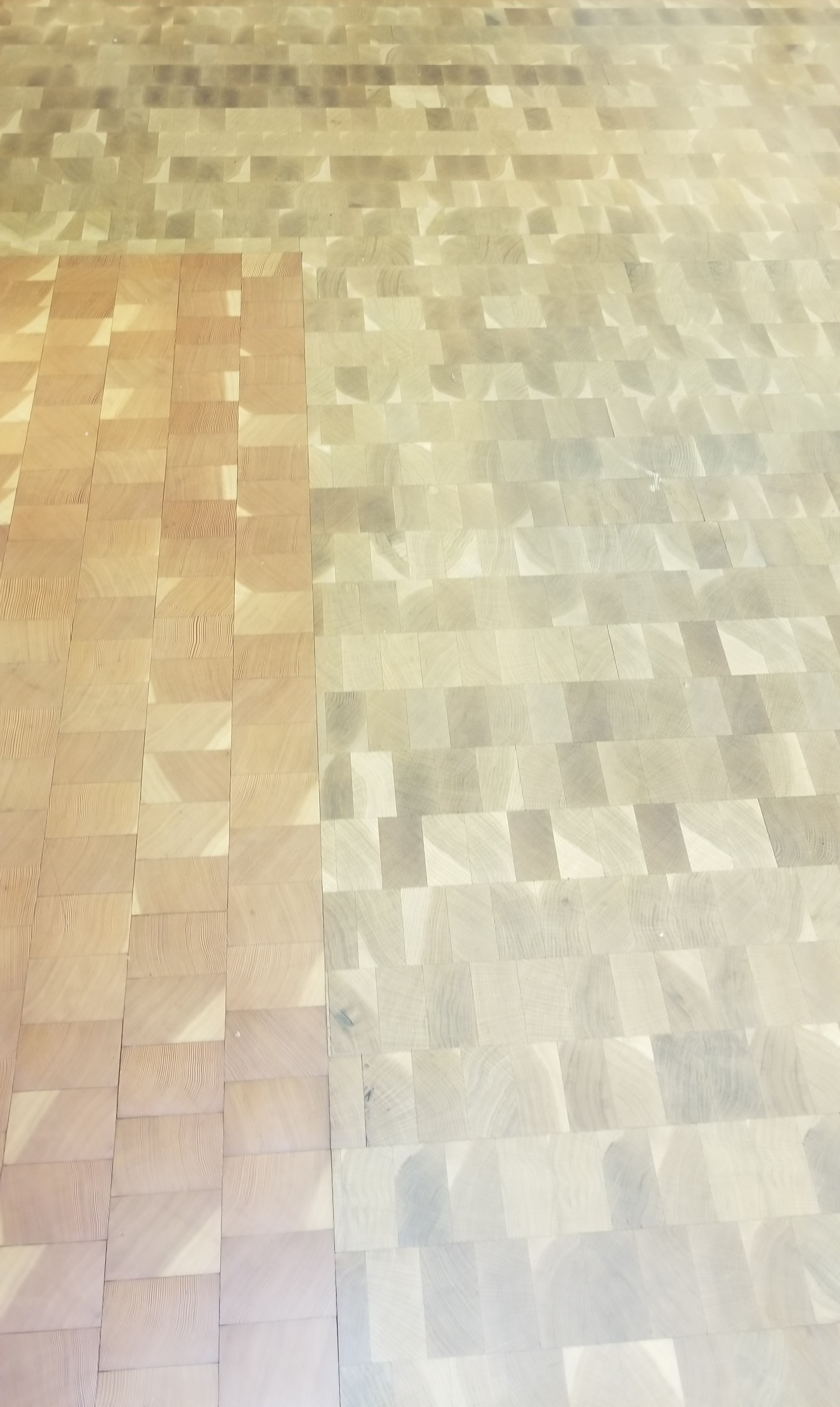
Long before flooring showrooms offered hundreds of samples, people were using wood, stone, clay, and woven materials to cover their floors. What they chose depended on the local climate, available resources, cost, and how the building was used.
Some of those materials have been around for thousands of years. They're still being used today.
Manufacturing changed the choices considerably. Linoleum became commercially available in the 19th century. Vinyl flooring expanded during the 20th century, while carpet became more affordable through improvements in manufacturing. Laminate flooring arrived commercially around 1980, following development in Sweden during the late 1970s.
More recently, luxury vinyl plank (LVP), improved laminate, and increasingly sophisticated engineered wood products have given homeowners considerably more choices.
Hardwood has remained in demand through all those changes. Its appearance certainly helps, but appearance alone doesn't explain why people continue investing in it.
Different Materials, Different Advantages
Natural stone and ceramic tile are hard, durable surfaces, particularly useful where moisture and heavy traffic are concerns. They can also be cold, and their hardness doesn't prevent cracking or chipping.
Carpet is comfortable, warm, and excellent at reducing noise. It also requires different maintenance and can retain dust and allergens within its fibers.
Hardwood provides a firm surface that can be cleaned without relying on carpet fibers. That can be helpful for households concerned about dust and allergens, although no flooring material can guarantee an allergy-free home.
Commercial resilient flooring and resinous systems, including epoxy, have applications where chemical resistance, cleaning procedures, rolling equipment, or continuous surface protection are important. I wouldn't recommend hardwood for every hospital corridor or industrial workspace.
Laminate deserves credit for how far it has improved. Some modern wear layers offer excellent abrasion resistance, and the appearance is far more convincing than earlier products.
LVP has earned its place, too. It offers practical maintenance and good resistance to everyday spills. Its limitations often involve the flooring's construction and installation system. Locking joints, for example, can become a weak point when the substrate is unsuitable, movement is restricted, or loads exceed product limits.
That doesn't mean every LVP floor will have joint problems. It means its performance depends on more than the wear layer advertised on the sample.
The Difference Shows Up Over Time

A hardwood floor will scratch. It can dent, stain, and react to changes in moisture. The finish will eventually show wear.
Its advantage is that many of those conditions can be repaired.
Depending on the floor's construction and remaining thickness, hardwood can be recoated, sanded, refinished, and sometimes repaired by replacing individual boards. Changing the stain or finish can also give an existing floor a completely different appearance.
Most laminate and LVP products don't offer the same refinishing options. Significant damage may require replacing planks or larger sections.
Engineered hardwood deserves separate attention. It has a genuine wood surface, but its construction differs from solid hardwood. Many engineered products offer improved dimensional stability under appropriate conditions. Their refinishing potential depends largely on the thickness and construction of the real-wood wear layer.
Some can be refinished. Others have very limited options.
These differences become important when comparing costs. A less expensive floor may be perfectly suitable for a property, particularly when the owner doesn't expect to keep it for decades. In a home intended for long-term use, repairs, refinishing, and possible replacement deserve consideration alongside the initial estimate.
A low purchase price doesn't necessarily mean a low lifetime cost. Neither does spending more guarantee better performance.
A Few Words About Waterproof Floors
Waterproof has become one of the industry's favorite selling points.
Certain products resist surface water exceptionally well, but that doesn't mean the entire flooring installation is waterproof. Water can still reach edges, transitions, walls, or the subfloor. Manufacturer claims also differ considerably.
Wood flooring isn't waterproof, and it shouldn't be sold as such.
The same caution applies to environmental claims.
Wood comes from a renewable resource, and responsibly managed forests can provide timber over many generations. That doesn't make every hardwood product environmentally responsible. Harvesting practices, transportation, manufacturing, adhesives, finish materials, and service life all contribute to its environmental impact.
Manufactured flooring has its own environmental considerations. Those comparisons require actual product information, not assumptions about natural or synthetic materials.
Why Hardwood Still Matters

Wood has natural variations in grain, color, and texture that manufacturers spend considerable effort trying to reproduce.
A white oak floor isn't identical from one house to another. Even boards from the same tree can look different. Species, cut, grade, finish, and the way the material ages give each floor its own character.
There's also something worth considering when purchasing a material that can remain in a home for generations.
Hardwood isn't automatically the right choice for every room, household, or budget. But when the conditions are suitable and the installation is done properly, its appearance, comfort, service life, and ability to be renewed make a strong argument for spending the money.
Some flooring products are designed around replacement. Hardwood gives us the option of keeping what we already have.

